Indigenous Climate Knowledge Fellowship
A three-month fellowship for Indigenous Himalayan storytellers
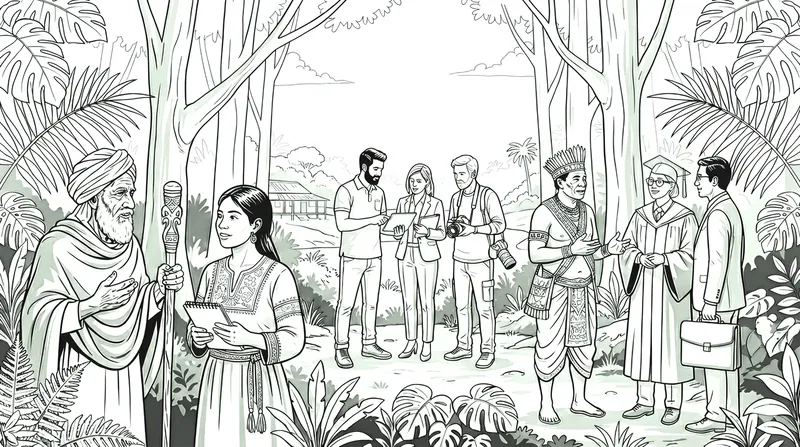
The Indigenous Climate Knowledge Fellowship supports a small inaugural cohort of six fellows to document Traditional Ecological Knowledge–based responses to the climate crisis and develop one high-quality climate story with mentorship and editorial support.
Each fellow is paired with an experienced editor or mentor and guided through a structured process from story development to publication-ready work.
The first cohort is expected to begin in July 2026. Exact dates will be shared with selected fellows.
How the fellowship works
Month 1
Training and story development
Fellows take part in guided online sessions covering:
- Traditional Ecological Knowledge and climate context
- Climate justice in the Himalayan region
- Responsible storytelling and data ethics
- Basic research and interviewing approaches
- Story structure and narrative development
Month 2
Fieldwork and reporting
Fellows work within their communities to:
- Document Traditional Ecological Knowledge–based practices and climate responses
- Speak with elders, knowledge keepers, women, youth and community members
- Gather written, visual or audio material for their story
- Capture local climate observations where appropriate
Month 3
Writing, editing and finalising
Fellows work closely with an editor or mentor to:
- Shape their material into a publishable story
- Ensure accuracy, context and informed consent
- Prepare a short insight note summarising key Traditional Ecological Knowledge and climate observations
- Finalise deliverables for publication and for HCWN's archive
What fellows receive
Fellows receive:
- A modest research stipend to support reporting costs and logistics
- Structured learning and training sessions
- Ongoing mentorship from HCWN and experienced editors
- Editorial guidance through the full story development process
- Support to pitch or publish their work through a recognised platform
- Connection to an emerging network of Indigenous storytellers across the Himalayan region
What fellows produce
Each fellow completes:
- One finished climate story (print, digital or short documentary format)
- One short insight note summarising key Traditional Ecological Knowledge and climate observations
- One brief reflection on process and ethics to strengthen HCWN's long-term approach
Who can apply
The fellowship is open to people who:
- Identify as Indigenous to a Himalayan community, including those living in the region or in its diaspora
- Work with story in any form, including writing, journalism, photography, film, audio or community documentation
- Have a strong, trusted connection to their community
- Can commit to the full three-month programme and completion of one story
Formal education or long publication history is not required. Commitment, care and curiosity are essential.
How we work with communities
Fellows are supported to work in ways that are safe, respectful and transparent, including:
- Clear conversations about consent and expectations
- Shared decisions about what can be public and what must remain private
- Guidance for working in conflict-affected or politically sensitive contexts
HCWN does not rush or pressure stories that may put people at risk. Community safety and consent guide every stage of the fellowship.
2026 fellowship cohort
Applications for the 2026 Indigenous Climate Knowledge Fellowship are now closed. Meet the inaugural cohort of storytellers documenting Traditional Ecological Knowledge and climate stories across the Himalayan region.