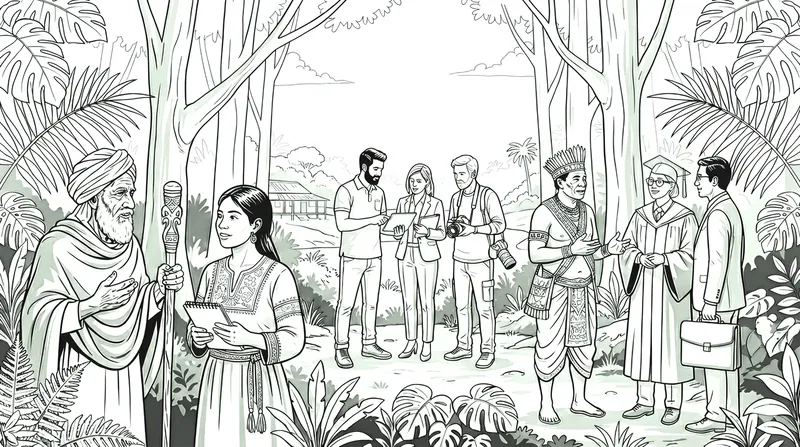
About HCWN
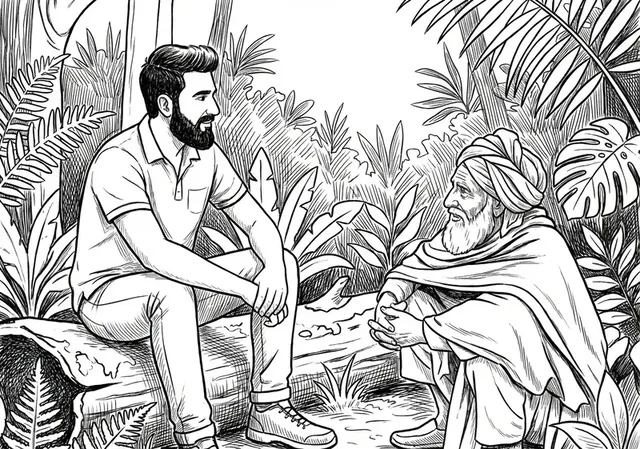
Born from lived Himalayan experience
Himalayan Climate Watch Network emerged from the lived realities of Indigenous mountain communities facing rapid ecological and political change.
Across the region, floods, shifting snowfall, landslides and changing seasons are reshaping everyday life. Yet local knowledge and community experience rarely appear in climate research, media narratives or policy decisions.
HCWN exists to help build a climate knowledge system that begins with the communities who live in the mountains, rather than speaking about them from a distance.
Our vision
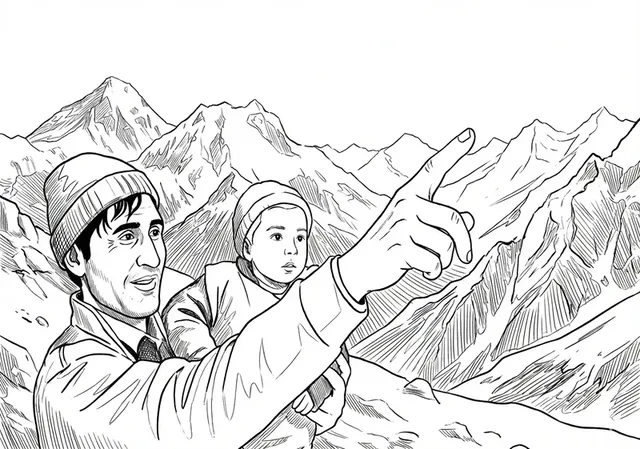
We envision a Himalayan region where Indigenous knowledge is recognised as climate intelligence, and where frontline communities lead climate understanding, adaptation and governance.
In this vision:
- Traditional Ecological Knowledge is respected and protected
- Local climate insights inform decisions about land, water and development
- Indigenous communities across the Himalaya learn from one another and act together
What we do
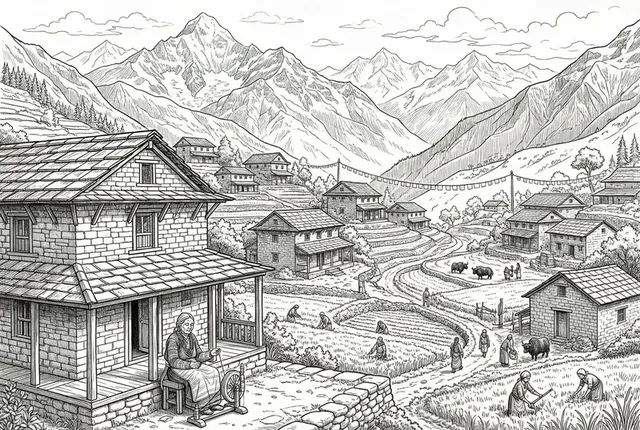
In this early phase, HCWN works across three connected areas:
- Story and knowledge: Supporting Indigenous storytellers and researchers to document Traditional Ecological Knowledge and community climate experience.
- Ethical methods: Developing respectful, participatory approaches for gathering, storing and using climate knowledge.
- Long-term climate knowledge infrastructure: Laying foundations for an Indigenous-led climate data and analytics system that serves communities, researchers and decision-makers while protecting data sovereignty.
HCWN moves slowly and carefully. Depth and trust matter more than speed and scale.
Ethics and data sovereignty
HCWN is guided by established frameworks for Indigenous data governance and ethical collaboration, including:
- Free, Prior and Informed Consent (FPIC)
- CARE Principles for Indigenous Data Governance
- TRUST framework for equitable research relationships
In practice this means:
- Communities decide what can be shared and how
- Consent is an ongoing process, not a one-time form
- Sensitive or sacred knowledge is protected
- There is transparency about why information is gathered and who benefits

Hosted within Mudland Climate Lab
HCWN is developed within Mudland Climate Lab, part of Mudland Studio's wider work across film, campaigns and cultural initiatives focused on climate justice and frontline communities. This provides HCWN with an ecosystem of support, experience and accountability as it grows.
Walk with us
If you are an Indigenous storyteller, researcher, community leader, media platform, university, funder, or ally connected to this vision, we would be glad to hear from you.